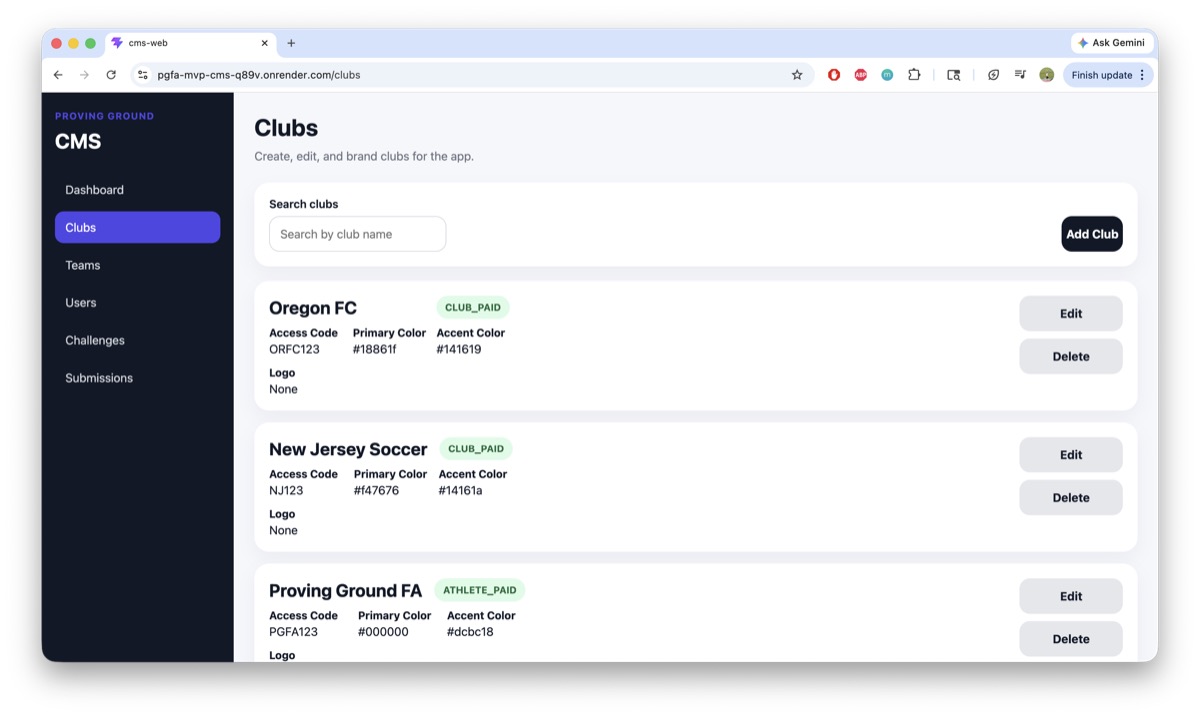
Sports organization
One platform for athletes, parents, coaches, and administrators
A custom operations platform connected role-based apps, challenge submissions, media, leaderboards, verification, and club administration.
Custom Operations System Build
Replace one business-critical workflow that has outgrown spreadsheets, disconnected tools, and manual coordination with custom software built around how your team actually works.
Keep the software that already works. Improve one valuable workflow at a time.
One critical workflow firstSolve the most valuable operational constraint
Built around your businessConnect existing tools instead of replacing everything
Supported after launch90 days of Launch Assurance included
Relevant proof
The industries differ. The pattern is the same: a critical workflow no longer fits inside generic software and manual work.
Sports organization
A custom operations platform connected role-based apps, challenge submissions, media, leaderboards, verification, and club administration.
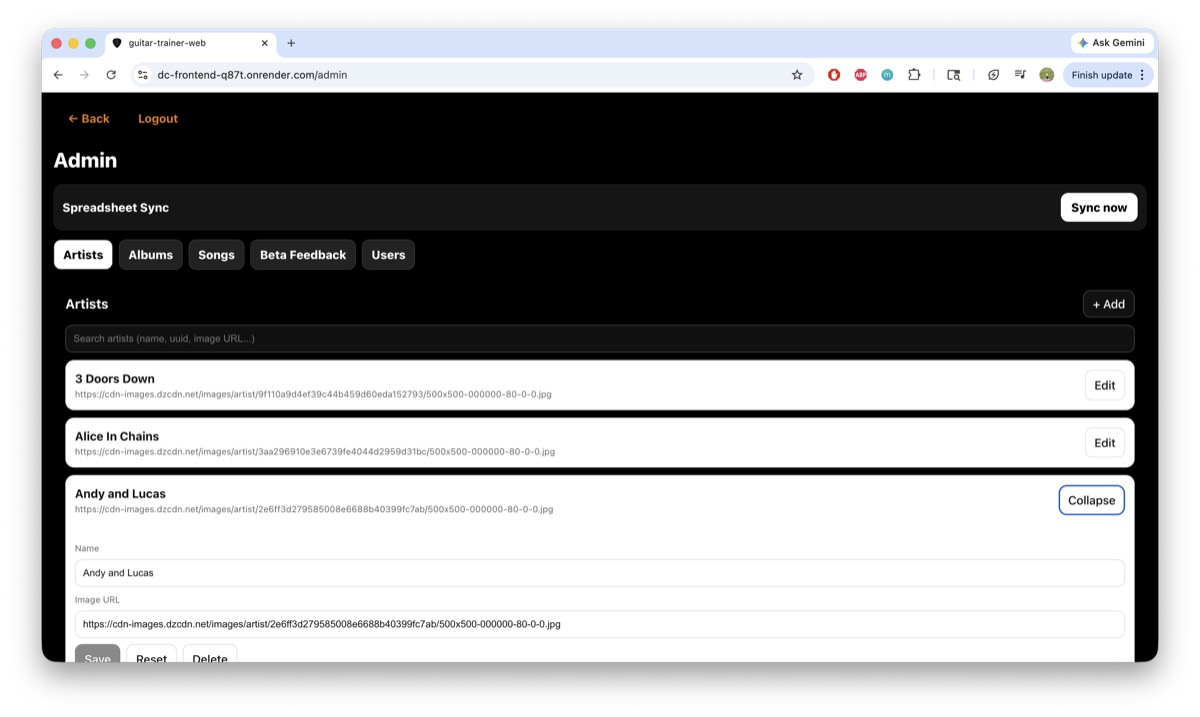
Membership business
A guitar education platform connected content management, memberships, payments, student resources, and automatic publishing.
Professional services
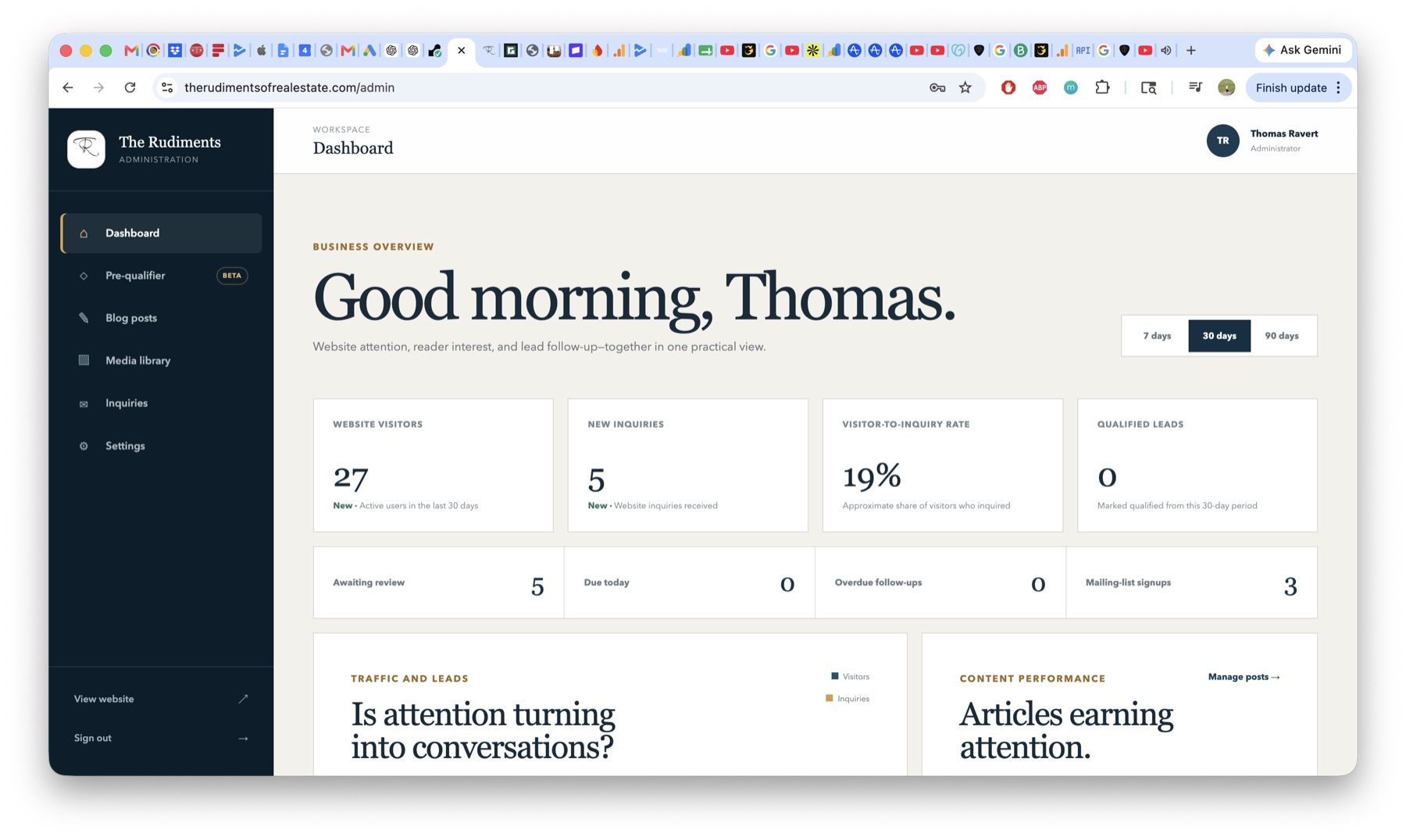
A real-estate author received a custom website, article publishing system, CRM, analytics dashboard, and weekly performance recap.
The problem
These are usually signs that the business has outgrown a workflow, not that the team needs another disconnected subscription.
Customer, payment, registration, project, or scheduling data gets copied between tools, creating extra work and avoidable mistakes.
Approvals, follow-ups, status changes, and customer updates move through email, text messages, and individual memory.
There is no reliable view of work in progress, overdue follow-up, customer activity, or the exceptions that need attention.
The team pays for capable platforms but still maintains spreadsheets and workarounds for the parts that do not match the business.
More customers, members, students, or projects require more coordination instead of increasing the capacity of the existing team.
A critical workflow is difficult to teach, measure, or continue reliably when the person holding it together is unavailable.
What the build includes
The system can include dashboards, portals, integrations, administration tools, automation, or mobile experiences. The workflow determines the software, not the other way around.
We document how the work moves today, where time or opportunities are being lost, and whether the problem is valuable enough to solve.
You see the proposed workflow and interface before the complete build, so the team can correct assumptions while changes are still inexpensive.
I build the dashboards, portals, integrations, automation, administration tools, or mobile experience the workflow actually requires.
The system is tested with real workflows, the team is trained, and 90 days of post-launch support covers defects and agreed minor adjustments.
Typical investment$15,000–$50,000
Focused first buildApproximately 6–10 weeks
FeedbackWritten milestones and regular demos
After launch90-day Launch Assurance
Free systems opportunity concept
Tell me which systems your team uses and the purpose of each. I'll review the stack and create a one-page concept when I see a credible opportunity to save time, reduce cost, or protect revenue.
No technical research required. A simple list of tools and what your team uses them for is enough.
Questions before a custom build
No. Most projects keep the systems that already work and improve one workflow at a time. The custom system connects them where practical and fills the operational gaps between them.
Most complete builds are expected to fall between $15,000 and $50,000, depending on the workflow, integrations, user roles, and data involved. The initial review determines whether the expected business value supports that investment before a project is proposed.
A focused first system will often take approximately 6 to 10 weeks. Every proposal includes written milestones and client dependencies, and you see working progress through regular demonstrations.
The workflow is mapped first and the proposed system is reviewed before the complete implementation. Weekly demonstrations keep feedback close to the work instead of saving surprises for launch day.
Ninety days of Launch Assurance covers defects, behavior that does not match the approved scope, and reasonable minor workflow adjustments. Ongoing hosting, maintenance, and continued development can be provided after that period.
The goal is practical ownership, not lock-in. Client-controlled accounts, data access, documentation, and source-code ownership are established according to the project agreement.